Every summer, the same question surfaces alongside the sunscreen and beach towels: is eating out on Bulgaria's Black Sea coast still affordable, or has the seaside splurge quietly got out of hand? As the peak season gets underway, receipts, restaurant bills, and social media videos are once again fueling a lively national debate.
A Menu That Covers Every Budget
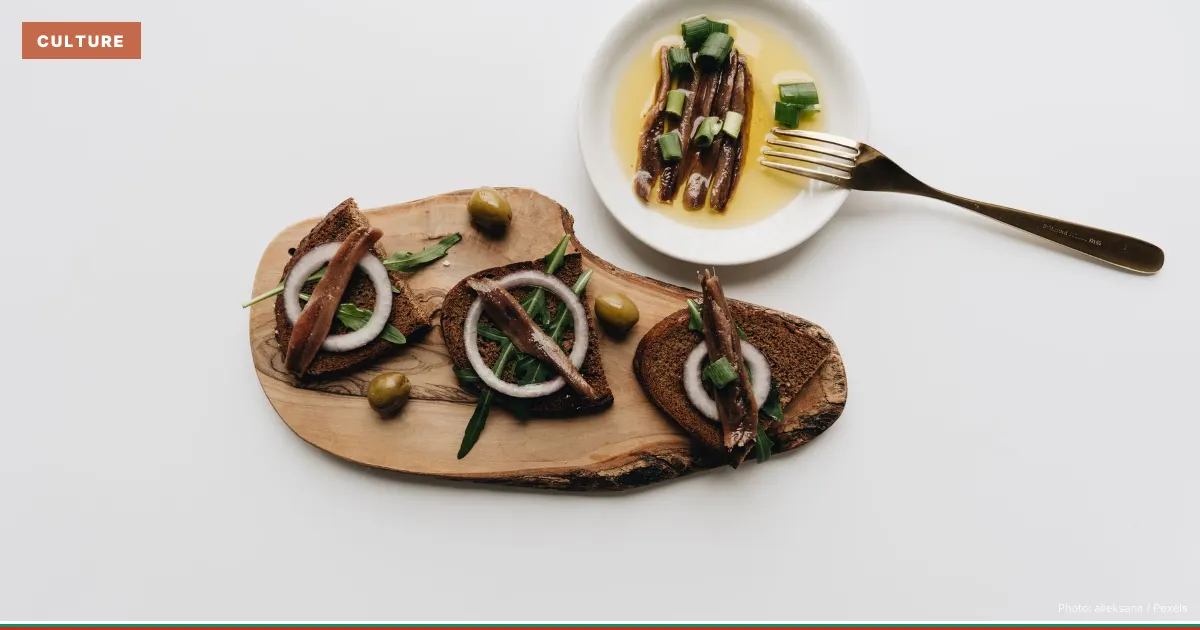
According to Club Z, the price range along the coast is genuinely wide. At the modest end, a portion of fresh anchovy, the quintessential Black Sea staple, can cost as little as €3. Grilled fish and seafood mains sit comfortably in the mid-range for most restaurants. At the luxury end, a whole lobster can reach €160, though that figure is very much the exception rather than the rule. In other words, your bill at the end of a seaside dinner depends almost entirely on where you sit down and what you order.
Western context: Bulgaria uses the lev (pegged to the euro), and dining costs here remain noticeably lower than Mediterranean rivals like Croatia or Greece, even after recent price rises.
Value, Not Just Price, Is the Real Debate
Novinite reports that industry representatives and analysts are pushing back against the simple narrative that everything has become too expensive. Their argument is more nuanced: the core question is not what a meal costs in absolute terms, but whether diners leave feeling they got something worth paying for. Quality of ingredients, service, and atmosphere all factor into that calculation, and critics say some establishments charge premium prices without delivering a premium experience.
That tension matters. Bulgarian coastal tourism competes directly with destinations that have spent decades building reputations for consistent quality. If visitors feel overcharged, word travels fast, especially through the social media videos that have already turned individual restaurant receipts into national talking points this season.