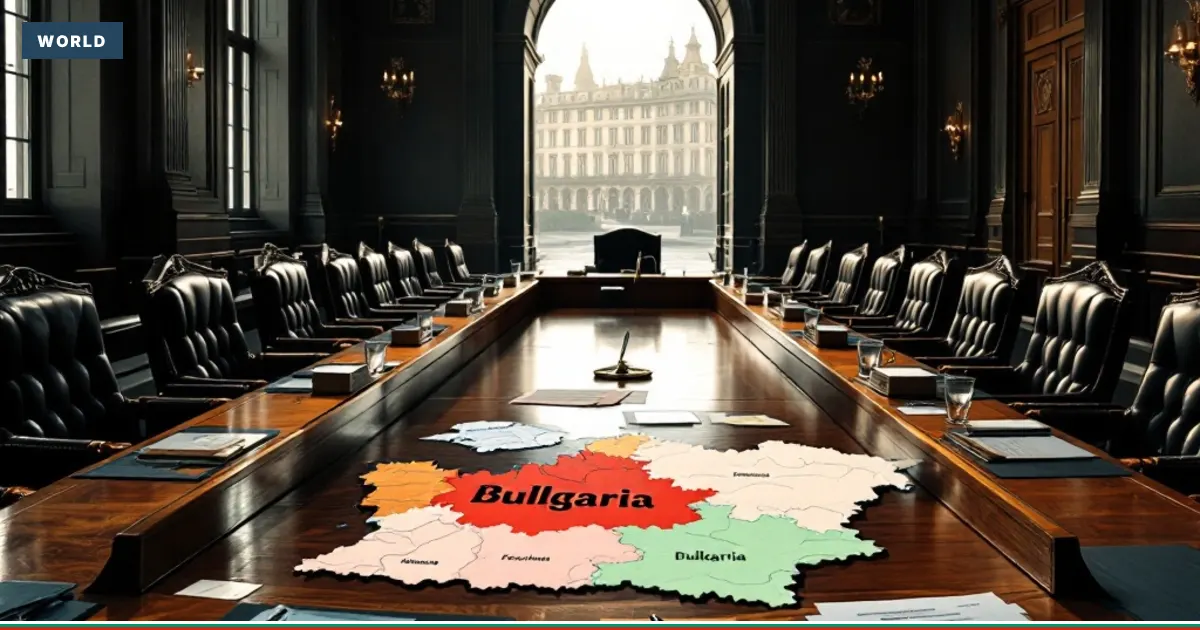
Bulgarian Prime Minister Rumen Radev made his debut at the European Council in Brussels on June 18 and 19, attending for the first time in the role of head of government rather than as president. The summit was anything but a quiet introduction.
Western-context explainer: The European Council is the EU's top decision-making body, where heads of government must reach consensus on major policy shifts, meaning any single country can slow or block a proposal.
A New Face at the Table, a Familiar Position
Radev's arrival in Brussels as prime minister follows what Capital reports as a significant domestic reset: he left the presidency, founded his own political party, and won a decisive election after a long period of parliamentary deadlock in Sofia. Club Z notes that while Radev had previously participated in EU-level discussions under constitutional arrangements allowing a caretaker role, this summit marked his genuine first as a sitting prime minister with a full mandate behind him.
Expectations were high. Novinite reports that observers and analysts had anticipated Bulgaria might take a more assertive stance in shaping EU debates on Ukraine, the long-term budget and foreign policy under Radev's leadership.
No to New Sanctions, Yes to More Regional Money
The summit agenda covered four pressure points: protecting European economic competitiveness against China, the future shape of EU finances, additional sanctions targeting Russia, and a proposed new sanctions package against Israel. According to Capital, full agreement was not reached on any of these topics.