Tuesday, October 27, 2026 ยท VarnaGet the free weekly brief โ†’

Zulvata
Bulgaria for Bulgarians All Over the World
๐Ÿ‡ง๐Ÿ‡ฌ Worldwide
๐Ÿ‡ง๐Ÿ‡ฌ Bulgarians around the worldโ€ข๐Ÿ‡ฉ๐Ÿ‡ช Germany ~400,000โ€ข๐Ÿ‡บ๐Ÿ‡ธ United States ~250,000โ€ข๐Ÿ‡ช๐Ÿ‡ธ Spain ~125,000โ€ข๐Ÿ‡ฌ๐Ÿ‡ง United Kingdom ~120,000โ€ข๐Ÿ‡ฌ๐Ÿ‡ท Greece ~75,000โ€ข๐Ÿ‡ฎ๐Ÿ‡น Italy ~60,000โ€ข๐Ÿ‡ฆ๐Ÿ‡บ Australia ~30,000โ€ข๐Ÿ‡จ๐Ÿ‡ฆ Canada ~25,000โ€ข๐Ÿ‡ณ๐Ÿ‡ฑ Netherlands ~25,000โ€ข๐Ÿ‡ฆ๐Ÿ‡น Austria ~20,000โ€ข๐Ÿ‡ง๐Ÿ‡ฌ Bulgarians around the worldโ€ข๐Ÿ‡ฉ๐Ÿ‡ช Germany ~400,000โ€ข๐Ÿ‡บ๐Ÿ‡ธ United States ~250,000โ€ข๐Ÿ‡ช๐Ÿ‡ธ Spain ~125,000โ€ข๐Ÿ‡ฌ๐Ÿ‡ง United Kingdom ~120,000โ€ข๐Ÿ‡ฌ๐Ÿ‡ท Greece ~75,000โ€ข๐Ÿ‡ฎ๐Ÿ‡น Italy ~60,000โ€ข๐Ÿ‡ฆ๐Ÿ‡บ Australia ~30,000โ€ข๐Ÿ‡จ๐Ÿ‡ฆ Canada ~25,000โ€ข๐Ÿ‡ณ๐Ÿ‡ฑ Netherlands ~25,000โ€ข๐Ÿ‡ฆ๐Ÿ‡น Austria ~20,000โ€ข
World

Bulgaria: how much will appeasement towards Russia cost us?

Bulgaria's 2026 presidential race has turned geopolitical, with sunk ships, sabotaged Starlink antennas and unanswered questions about Russia's role raising the stakes.

By Zulvata ยท Sunday, October 25, 2026 ยท 3 min read
Bulgaria: how much will appeasement towards Russia cost us?World

Thirty-four years after Bulgarians first voted directly for their president, the country faces a question with a sharper edge than before: not which direction to take, but whether it is prepared to defend the direction it already chose. In the 2026 presidential race, that question has become the defining fault line between leading candidates.

Bulgaria joined NATO in 2004 and the EU in 2007, but domestic politics have long included a strand of sympathy toward Moscow, making it one of the alliance's more complicated members on Russia policy.

A campaign shaped by war on the doorstep

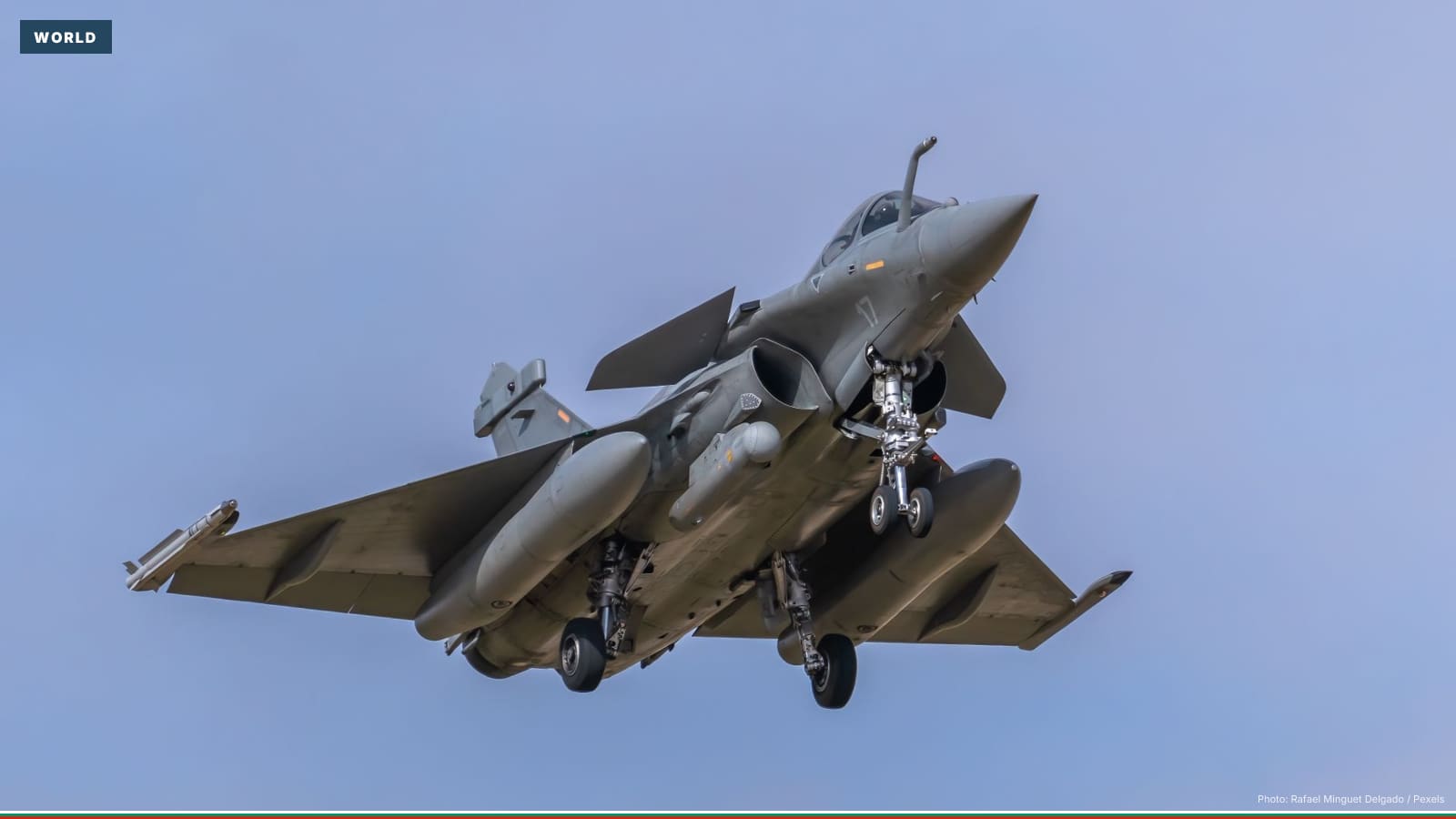
The geopolitical stakes sharpened after Russia's war against Ukraine reached Bulgarian territorial waters in the Black Sea, where two vessels were sunk and 21 crew members lost their lives, according to Club Z. The government has preferred to describe those sailors as "missing" rather than dead. Romanian F-16s have intercepted Russian Geran drones over the Black Sea, a detail that carries weight for a country on its western shore.

A Gallup poll conducted on 8 October, cited by Club Z, found that candidates' geopolitical orientation matters to 15.6 percent of voters, outranking their overall electoral programmes, which drove the choices of 10.1 percent. In previous election cycles, Crimea and relations with Russia surfaced in debates but remained secondary to domestic power struggles. In 2026, Club Z reports, the war is entering its fifth year and the Black Sea has become a zone of immediate security risk for Bulgaria.

The real price of cautious diplomacy

Club Z frames the central question as no longer a "Russophile versus Russophobe" culture-war argument. It asks about the concrete cost of the foreign policy pursued by the current government led by Prime Minister Rumen Radev and presidential candidate Iliyana Yotova, a cost the analysis suggests could far exceed diplomatic isolation.

The evidence cited includes attacks on commercial ships in the Black Sea, the torching of eleven Starlink antennas at a classified facility, and explosions at military warehouses. Attributing those incidents to Russia, Club Z notes, would force the government to admit that its cautious stance toward Moscow has not shielded Bulgaria from Russian threats. Investigators say they are still probing the incidents, which is why, they explain, they have not yet named a suspect.

The contrast with Lithuania is direct. Lithuanian security services prevented a similar arson attack on Starlink infrastructure and publicly accused Russia of attempted sabotage. Vilnius named the culprit; Sofia is still investigating.

Presidential candidates, Club Z argues, owe voters clear answers: how does Bulgaria intend to fulfill its obligations inside NATO and the EU, what level of defence capability does it actually need, and how should it respond when a threat materialises.

Why this matters for Bulgarians living abroad

For the Bulgarian diaspora, particularly those living in NATO countries across Western Europe and North America, the debate is not abstract. A Bulgaria that hedges on collective defence commitments affects the credibility of the alliance that also protects the countries where many diaspora Bulgarians live and work. A Sofia that cannot publicly attribute sabotage to a known aggressor also struggles to build the security partnerships its citizens abroad may depend on. The 2026 presidential vote is, on that basis, a question about Bulgaria's reliability as a partner, and that reputation extends to all Bulgarians, wherever they are.

More from Zulvata