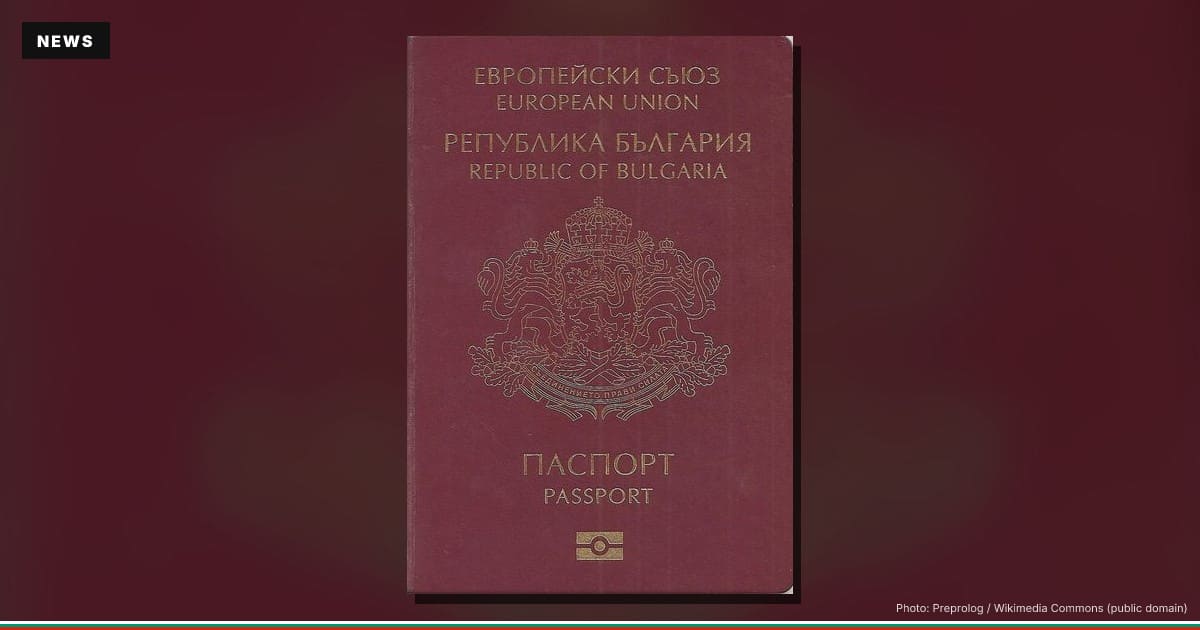
Bulgaria's Finance Minister Galub Donev announced that the 2027 state budget will be ready by 15 October, with the government aiming to bring the deficit down to 3% of GDP, in line with the EU's Maastricht criteria. That would improve on the previously projected 3.8%, according to Capital. Donev said the process has been unusually compressed this year, with the budget only adopted on 31 July, pushing the entire budget cycle roughly half a year forward and concentrating capital spending into the final quarter.
On wages, the minister indicated the minimum monthly salary for next year is likely to reach around 660 euros. He also noted that Bulgaria has not yet raised all of the new external debt it planned for this year, meaning the country will return to international capital markets for additional borrowing. The Maastricht 3% deficit ceiling is the threshold all eurozone candidates must meet before adopting the euro, a goal Bulgaria has been formally pursuing.
Property tax valuations set to double by 2029
Bulgaria's official property valuations, which determine local taxes such as building tax and waste-collection fees, have not been updated since 2007. That is about to change, Capital reports. Stefan Belchev, a lawmaker from the Progressive Bulgaria party, outlined a phased plan: a 30% increase in 2027, followed by further rises of around 35% in each of the two subsequent years, potentially doubling valuations in total by 2029. Legislative changes are expected before the end of October.
The stated rationale is that current assessed values are far below market prices, depriving municipalities of revenue they are legally entitled to collect. Councils will retain some flexibility to adjust their own rates within set bands, but for most property owners the practical result is likely to be higher annual tax bills and pricier real-estate transactions.