Tuesday, August 25, 2026 ยท VarnaGet the free weekly brief โ†’

Zulvata
Bulgaria for Bulgarians All Over the World
๐Ÿ‡ง๐Ÿ‡ฌ Worldwide
๐Ÿ‡ง๐Ÿ‡ฌ Bulgarians around the worldโ€ข๐Ÿ‡ฉ๐Ÿ‡ช Germany ~400,000โ€ข๐Ÿ‡บ๐Ÿ‡ธ United States ~250,000โ€ข๐Ÿ‡ช๐Ÿ‡ธ Spain ~125,000โ€ข๐Ÿ‡ฌ๐Ÿ‡ง United Kingdom ~120,000โ€ข๐Ÿ‡ฌ๐Ÿ‡ท Greece ~75,000โ€ข๐Ÿ‡ฎ๐Ÿ‡น Italy ~60,000โ€ข๐Ÿ‡ฆ๐Ÿ‡บ Australia ~30,000โ€ข๐Ÿ‡จ๐Ÿ‡ฆ Canada ~25,000โ€ข๐Ÿ‡ณ๐Ÿ‡ฑ Netherlands ~25,000โ€ข๐Ÿ‡ฆ๐Ÿ‡น Austria ~20,000โ€ข๐Ÿ‡ง๐Ÿ‡ฌ Bulgarians around the worldโ€ข๐Ÿ‡ฉ๐Ÿ‡ช Germany ~400,000โ€ข๐Ÿ‡บ๐Ÿ‡ธ United States ~250,000โ€ข๐Ÿ‡ช๐Ÿ‡ธ Spain ~125,000โ€ข๐Ÿ‡ฌ๐Ÿ‡ง United Kingdom ~120,000โ€ข๐Ÿ‡ฌ๐Ÿ‡ท Greece ~75,000โ€ข๐Ÿ‡ฎ๐Ÿ‡น Italy ~60,000โ€ข๐Ÿ‡ฆ๐Ÿ‡บ Australia ~30,000โ€ข๐Ÿ‡จ๐Ÿ‡ฆ Canada ~25,000โ€ข๐Ÿ‡ณ๐Ÿ‡ฑ Netherlands ~25,000โ€ข๐Ÿ‡ฆ๐Ÿ‡น Austria ~20,000โ€ข
Real Estate

German capital is quietly transforming Bulgarian industry

German investment is pushing Bulgaria beyond cheap labour toward high-value industry, with real implications for diaspora property owners and investors.

By Zulvata ยท Tuesday, August 18, 2026 ยท 2 min read
German capital is quietly transforming Bulgarian industryReal Estate

Germany has become one of Bulgaria's most consequential foreign investors, and the scale of that shift is larger than most coverage suggests. According to Standart, German capital is moving Bulgaria's economy away from its long-standing image as a cheap-labour destination toward a high-value-added industrial base on the EU's eastern edge.

From low-cost base to high-value partner

The change, Standart reports, is not accidental. German investors are arriving with technology transfers and long-term corporate commitments alongside their capital. The outlet argues that Bulgaria is becoming an integral part of European industrial supply chains rather than simply a low-cost assembly location.

Bulgaria joined the EU in 2007 and has for years attracted foreign investment primarily on the strength of its low wages and a flat corporate tax rate of ten percent, one of the lowest in the bloc. The German investment trend described here suggests that skills and location are now competing with pure cost as factors in site decisions.

Which sectors are drawing future capital?

Standart's report, written by Bozhana Voynishka, focuses on which industries will absorb the next wave of German investment. Sourcing on specific sector breakdowns is limited to this single report. The broader picture it sketches is consistent with publicly visible trends: automotive components, machinery, green-energy manufacturing, and logistics corridors linking Central Europe to the Black Sea region have all seen growing German corporate activity in recent years.
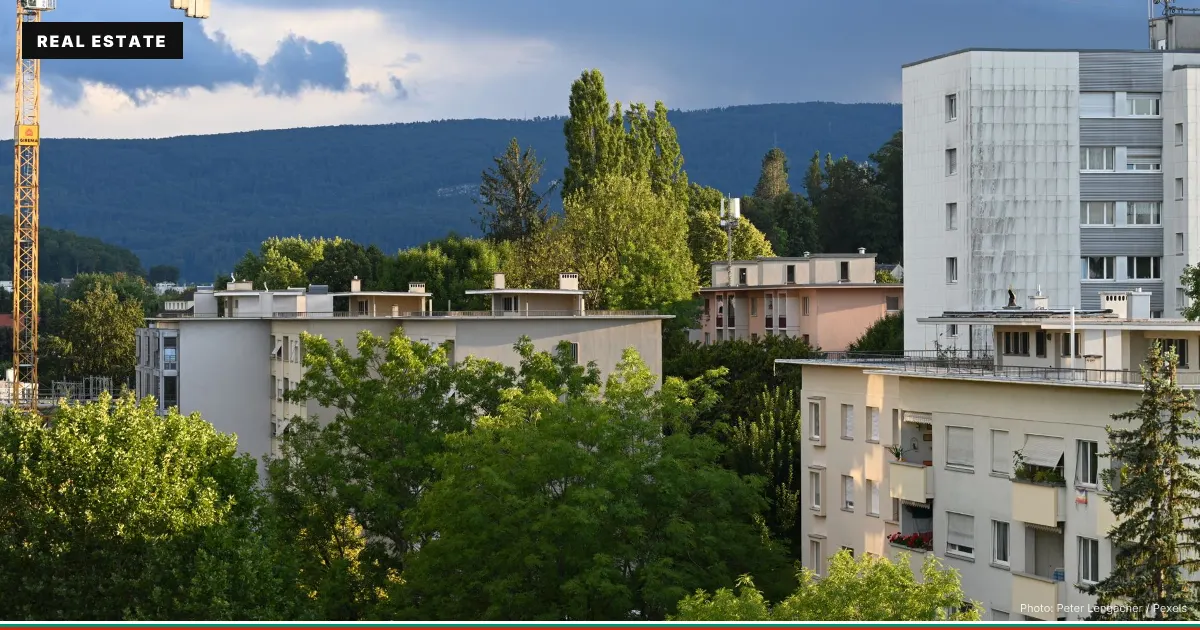
The sectoral direction affects wages, infrastructure spending, and the types of jobs being created in regions where many Bulgarian diaspora families still own property or maintain close ties.

Why this matters for Bulgarians abroad

For Bulgarians living in Germany, Austria, or elsewhere in the EU, the story has a practical dimension. A Bulgarian economy more deeply integrated into German industrial networks tends to be a more stable one, which affects property values, rental yields, and the prospects for eventual return. It also shapes the employment landscape for relatives at home, potentially reducing emigration pressure that has defined Bulgarian demographics for a generation.

For diaspora investors weighing Bulgarian real estate or small business, a sustained inflow of high-quality foreign capital is a structural signal worth tracking. Voynishka's report suggests the country's economic foundations are being gradually upgraded.

More from Zulvata