Tuesday, August 25, 2026 ยท VarnaGet the free weekly brief โ†’

Zulvata
Bulgaria for Bulgarians All Over the World
๐Ÿ‡ง๐Ÿ‡ฌ Worldwide
๐Ÿ‡ง๐Ÿ‡ฌ Bulgarians around the worldโ€ข๐Ÿ‡ฉ๐Ÿ‡ช Germany ~400,000โ€ข๐Ÿ‡บ๐Ÿ‡ธ United States ~250,000โ€ข๐Ÿ‡ช๐Ÿ‡ธ Spain ~125,000โ€ข๐Ÿ‡ฌ๐Ÿ‡ง United Kingdom ~120,000โ€ข๐Ÿ‡ฌ๐Ÿ‡ท Greece ~75,000โ€ข๐Ÿ‡ฎ๐Ÿ‡น Italy ~60,000โ€ข๐Ÿ‡ฆ๐Ÿ‡บ Australia ~30,000โ€ข๐Ÿ‡จ๐Ÿ‡ฆ Canada ~25,000โ€ข๐Ÿ‡ณ๐Ÿ‡ฑ Netherlands ~25,000โ€ข๐Ÿ‡ฆ๐Ÿ‡น Austria ~20,000โ€ข๐Ÿ‡ง๐Ÿ‡ฌ Bulgarians around the worldโ€ข๐Ÿ‡ฉ๐Ÿ‡ช Germany ~400,000โ€ข๐Ÿ‡บ๐Ÿ‡ธ United States ~250,000โ€ข๐Ÿ‡ช๐Ÿ‡ธ Spain ~125,000โ€ข๐Ÿ‡ฌ๐Ÿ‡ง United Kingdom ~120,000โ€ข๐Ÿ‡ฌ๐Ÿ‡ท Greece ~75,000โ€ข๐Ÿ‡ฎ๐Ÿ‡น Italy ~60,000โ€ข๐Ÿ‡ฆ๐Ÿ‡บ Australia ~30,000โ€ข๐Ÿ‡จ๐Ÿ‡ฆ Canada ~25,000โ€ข๐Ÿ‡ณ๐Ÿ‡ฑ Netherlands ~25,000โ€ข๐Ÿ‡ฆ๐Ÿ‡น Austria ~20,000โ€ข
World

Radev Vows to Block EU Sanctions Against Russia, Calling It a Defence of Bulgarian Interests

Prime Minister Rumen Radev vowed in parliament to block EU sanctions against Russia, saying he would act to defend Bulgaria's national interest.

By Zulvata ยท Saturday, August 8, 2026 ยท 2 min read
Radev Vows to Block EU Sanctions Against Russia, Calling It a Defence of Bulgarian InterestsWorld

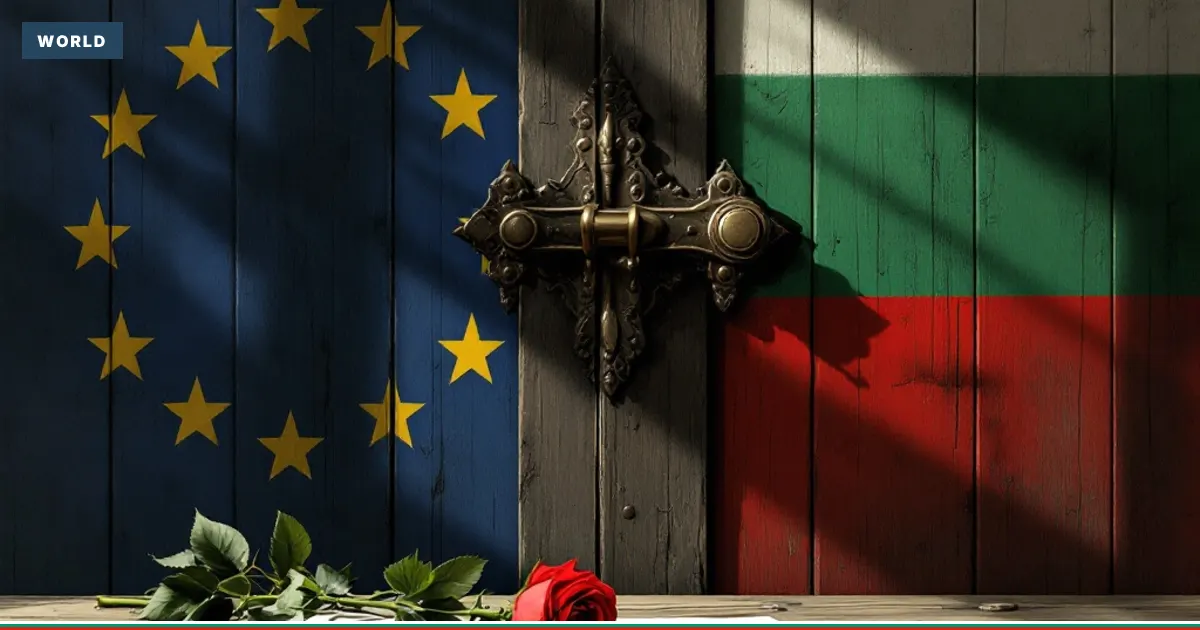
Bulgarian Prime Minister Rumen Radev has pledged to obstruct the European Union's 21st package of sanctions against Russia, framing the move as a defence of the national interest. The statement, reported by Club Z, was made during parliamentary question time and was met with applause in the chamber.

Western context: EU sanctions on Russia require unanimity among member states, meaning any single country can block or significantly complicate their adoption.

What Radev Actually Said

Responding to a question from MP Yordan Ivanov of Democratic Bulgaria about the new EU sanctions package, Radev was unambiguous. According to Club Z, he said he would not merely consider objecting but would act on it, describing his position as simple and clear and grounding it in the defence of Bulgarian national interest. The remarks drew a standing ovation from part of the assembly.

Club Z notes an important legal distinction worth keeping in mind: in EU procedure, a "veto" and a "reservation" are not the same thing. A veto is an outright block on a decision, available only in areas requiring unanimity. A reservation is a diplomatic signal that a country has concerns and wants further negotiation. It remains unclear from Radev's statement which mechanism he intends to invoke, though his language leaned toward the harder end of the spectrum.

The Broader Political Moment

The episode adds fresh turbulence to an already complicated Bulgarian political landscape. Radev, who holds the role of prime minister in the current configuration, has long been seen by critics as sympathetic to Moscow. Opponents in the pro-European camp argue that blocking sanctions undermines Bulgaria's commitments as an EU and NATO member and damages the country's credibility in Brussels at a sensitive time for European unity over the war in Ukraine.

Club Z also notes that Radev recently defended the Russian Orthodox Patriarch by drawing a parallel to the blessing of Bulgarian military equipment by the Bulgarian Patriarch, a comparison that drew criticism from those who see the two situations as very different in geopolitical weight.

A second protest against Radev was reported on the same day as his parliamentary statement, according to Club Z, suggesting that public pressure over his pro-Russia positioning is not fading.

Why This Matters for the Diaspora

For Bulgarians living in Western Europe and beyond, the stakes are personal as well as political. Bulgaria's alignment within the EU affects everything from the ease of cross-border travel and business to the country's long-term economic trajectory and its weight at the European table. Many in the diaspora have watched closely as Bulgaria's pro-European governments of recent years struggled to consolidate, and Radev's latest move raises fresh questions about which direction Sofia is heading. How Bulgaria votes on Russia sanctions is not an abstract matter. It shapes how the country is perceived by allies whose support matters for its future.

More from Zulvata