Thursday, August 6, 2026 ยท VarnaGet the free weekly brief โ†’

Zulvata
Bulgaria for Bulgarians All Over the World
๐Ÿ‡ง๐Ÿ‡ฌ Worldwide
๐Ÿ‡ง๐Ÿ‡ฌ Bulgarians around the worldโ€ข๐Ÿ‡ฉ๐Ÿ‡ช Germany ~400,000โ€ข๐Ÿ‡บ๐Ÿ‡ธ United States ~250,000โ€ข๐Ÿ‡ช๐Ÿ‡ธ Spain ~125,000โ€ข๐Ÿ‡ฌ๐Ÿ‡ง United Kingdom ~120,000โ€ข๐Ÿ‡ฌ๐Ÿ‡ท Greece ~75,000โ€ข๐Ÿ‡ฎ๐Ÿ‡น Italy ~60,000โ€ข๐Ÿ‡ฆ๐Ÿ‡บ Australia ~30,000โ€ข๐Ÿ‡จ๐Ÿ‡ฆ Canada ~25,000โ€ข๐Ÿ‡ณ๐Ÿ‡ฑ Netherlands ~25,000โ€ข๐Ÿ‡ฆ๐Ÿ‡น Austria ~20,000โ€ข๐Ÿ‡ง๐Ÿ‡ฌ Bulgarians around the worldโ€ข๐Ÿ‡ฉ๐Ÿ‡ช Germany ~400,000โ€ข๐Ÿ‡บ๐Ÿ‡ธ United States ~250,000โ€ข๐Ÿ‡ช๐Ÿ‡ธ Spain ~125,000โ€ข๐Ÿ‡ฌ๐Ÿ‡ง United Kingdom ~120,000โ€ข๐Ÿ‡ฌ๐Ÿ‡ท Greece ~75,000โ€ข๐Ÿ‡ฎ๐Ÿ‡น Italy ~60,000โ€ข๐Ÿ‡ฆ๐Ÿ‡บ Australia ~30,000โ€ข๐Ÿ‡จ๐Ÿ‡ฆ Canada ~25,000โ€ข๐Ÿ‡ณ๐Ÿ‡ฑ Netherlands ~25,000โ€ข๐Ÿ‡ฆ๐Ÿ‡น Austria ~20,000โ€ข
Business

The Green Deal, Electricity Prices and Inflation: What EU Policy Means for Bulgarian Wallets

EU Green Deal policies are reshaping Bulgarian electricity bills and inflation, and the country's famous affordability advantage is quietly narrowing.

By Zulvata ยท Thursday, August 6, 2026 ยท 3 min read
The Green Deal, Electricity Prices and Inflation: What EU Policy Means for Bulgarian WalletsBusiness

For Bulgarians living abroad, the monthly call home often includes a ritual complaint: everything is getting more expensive back in Sofia, Plovdiv, or the village. That conversation now has a Brussels address. The European Union's Green Deal, the sweeping climate and energy transformation programme, is increasingly shaping what Bulgarians pay for electricity, heating, and groceries, and the gap between EU ambition and household reality is narrowing faster than many policymakers expected.

Bulgaria Is Still the EU's Cheapest Country, But the Distance Is Shrinking

IntelliNews reports that Bulgaria remains the least expensive country in the EU by price level, a distinction it has held for years. However, the same reporting notes that the gap between Bulgaria and the EU average is narrowing, meaning the affordable-living advantage that draws many Bulgarians to stay home, or tempts diaspora members to consider returning, is gradually eroding. For families sending remittances, a shrinking price cushion means their euros and pounds buy a little less comfort than they used to.

Part of this convergence is structural and healthy: wages are rising. But part of it is driven by energy costs tied directly to the EU's green transition. Carbon pricing, the phase-out of coal subsidies, and mandates to integrate more renewable electricity all feed into utility bills. Bulgaria, which has historically relied on cheap coal-fired power, faces a steeper adjustment path than wealthier western member states that had decades to retool their grids.

Business Confidence Dips as Inflation Pressures Persist

The Sofia Globe reports that a National Statistical Institute survey found business sentiment in Bulgaria declining, a signal that companies are absorbing rising input costs and passing them along, or simply pulling back on investment. Energy is one of the loudest components of that cost pressure.

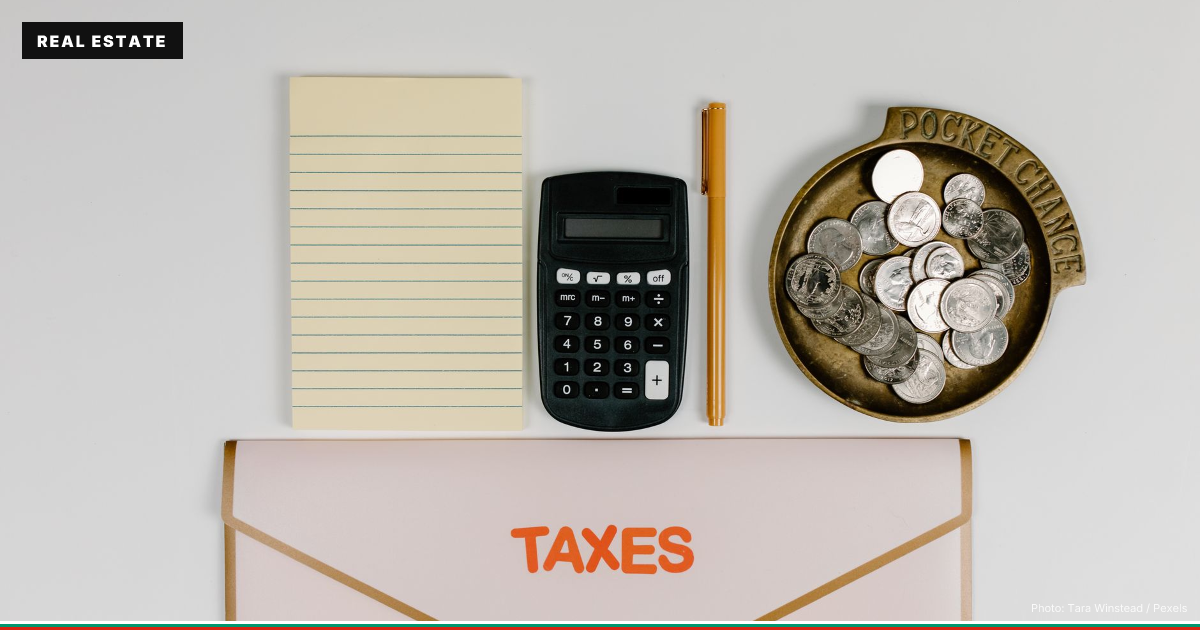
Meanwhile, SeeNews reports that non-government borrowing in Bulgaria grew 16 percent year-on-year in May, suggesting households and businesses alike are leaning on credit to bridge the gap between income and outgoings. That is not necessarily alarming at this stage, but it is a trend worth watching, particularly if energy costs stay elevated through the next heating season.

The lifelong learning deficit flagged by BNR News adds another layer: the green transition requires new skills, from electricians who can install heat pumps to engineers who can design smart grids. Bulgaria, the report suggests, is not training workers fast enough to fill those roles, which could slow the country's ability to benefit from green-economy jobs rather than simply bearing the costs of the transition.

What This Means If You Are Bulgarian and Living Abroad

If you are part of the diaspora supporting family back home, the practical takeaway is that cost-of-living pressures in Bulgaria are real and EU-driven, even if Bulgaria still looks cheap by western standards. The country's path into the eurozone, still in progress, will eventually remove the currency buffer that has partly insulated Bulgarian consumers. Understanding the Green Deal is no longer just a policy-nerd concern; it is personal finance. Western readers can think of it this way: imagine a country the size of Tennessee being asked to rewire its entire energy system on a German timeline, with a Greek-level legacy industrial base and a Romanian wage structure. That is the scale of the challenge Bulgaria is navigating.

More from Zulvata