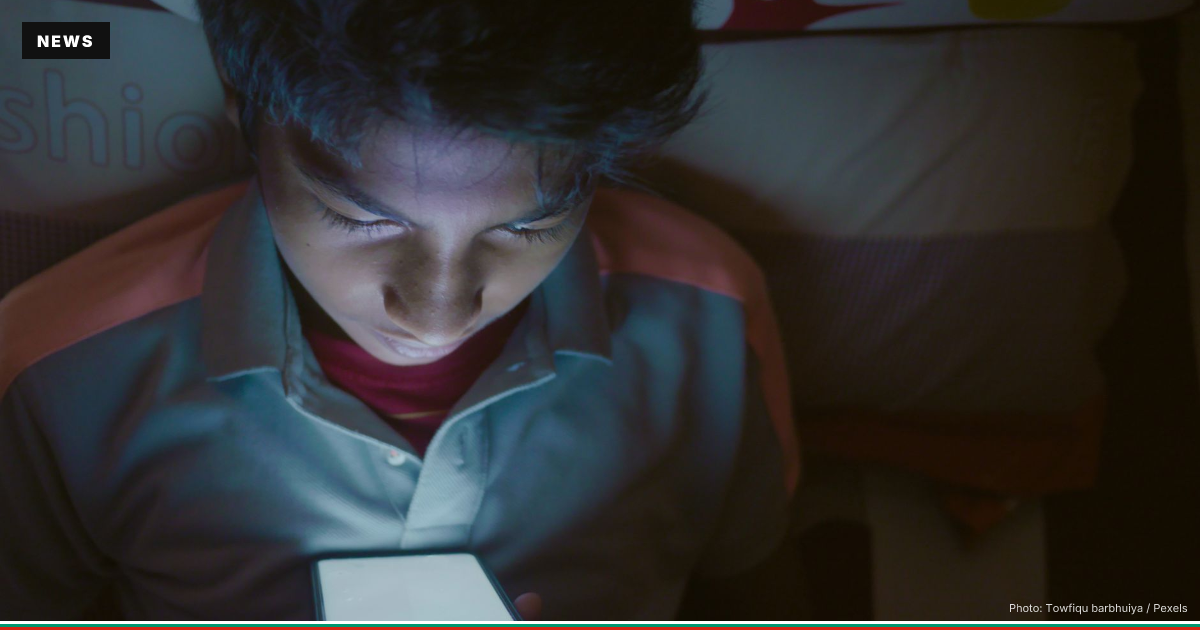
There is a particular kind of modern Bulgarian parenting anxiety that sits somewhere between genuine alarm and resigned scrolling. A new survey suggests that parents in Bulgaria are significantly more worried than their European Union peers about what social media and screen time are doing to their children — yet many of those same families are letting their kids onto platforms earlier than recommended.
The Numbers That Sting a Little
According to Dnevnik, more than two-thirds of Bulgarian parents — around 65 percent — say they worry that excessive time on screens and social networks is harming their children's academic performance. That figure sits noticeably above the EU average, meaning Bulgaria is not just keeping pace with European anxiety on this issue but actually leading it. The concern stretches beyond grades too, touching on sleep, attention, social skills and general wellbeing.
The irony, of course, is that awareness of a problem and doing something about it are two very different things. Bulgarian parents, like parents across the continent, report allowing their children access to devices and platforms at ages that many child development experts would consider too young. The gap between knowing the risks and setting firm limits at home turns out to be wide — and very relatable.
Why This Feels Familiar to Bulgarian Families Abroad
For Bulgarians living in Germany, the United Kingdom, Spain or anywhere else in the diaspora, this survey will land with a particular resonance. Raising children in a foreign country often means that social media becomes the primary thread connecting kids back to cousins, grandparents and school friends left behind in Bulgaria. Cutting screen time is not just a discipline question — it is a family geography question. The phone is often the only place where Bulgarian identity gets reinforced for a child growing up in Birmingham or Munich.