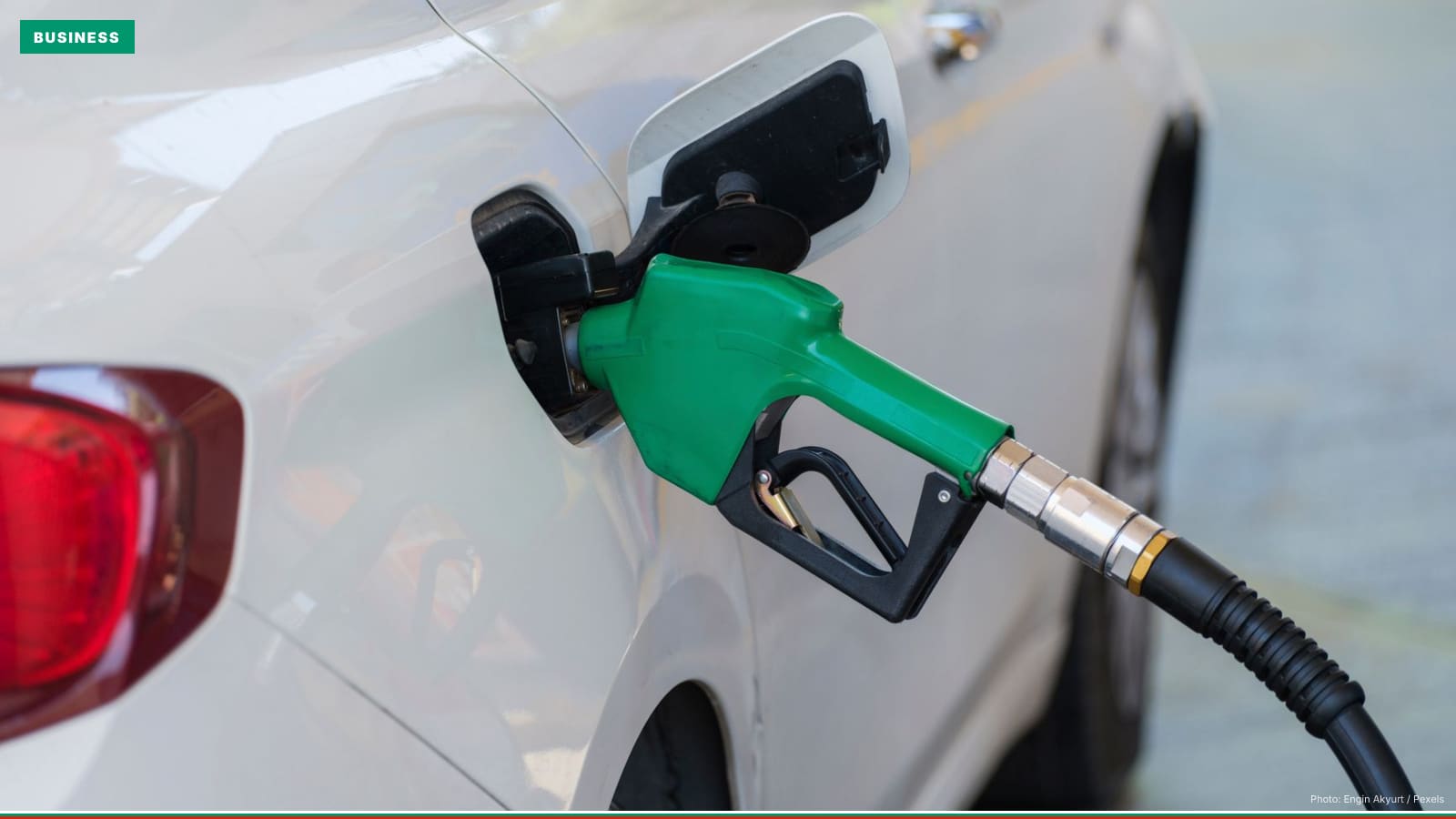
Diesel prices in Bulgaria have hit historic highs and petrol is not far behind, even as global oil markets show signs of cooling. The gap between crude oil prices and what drivers pay at the pump comes down to geopolitics, refinery closures, and surging shipping costs.
What is happening at the pump right now
According to fuel price tracking site Fuelo, as cited by Club Z, a litre of diesel in Bulgaria reached 1.94 euros by mid-September, while petrol (A-95) stood at around 1.67 euros. Both fuels rose by roughly 9 to 10 euro cents in the first half of September alone. Industry representatives quoted by Standart warned that diesel could cross 2 euros per litre by the end of September, a price Bulgaria has never seen before. Standart also reports that the government is preparing support measures for transport and agriculture, with assurances that ordinary consumers will not be left without help.
Bulgaria is not alone. Standart reports that France reached record pump prices around the same period, with SP95-E10 petrol averaging above 2.10 euros per litre and diesel climbing past 2.30 euros. In France, that represents a jump of roughly 40 euro cents on petrol in under six months. Germany also hit a record for Super E10 fuel. The squeeze is a European-wide phenomenon.
Why cheaper crude does not mean cheaper fuel
Several overlapping forces are pushing refined fuel costs up even when raw crude prices appear less alarming.
First, there is a genuine shortage of diesel at the global level. Europe closed roughly ten refineries over recent years, cutting the continent's capacity to turn crude into road fuel, according to industry analysis cited by Standart. Capital reports on tightening EU petroleum inventories as a contributing structural factor.